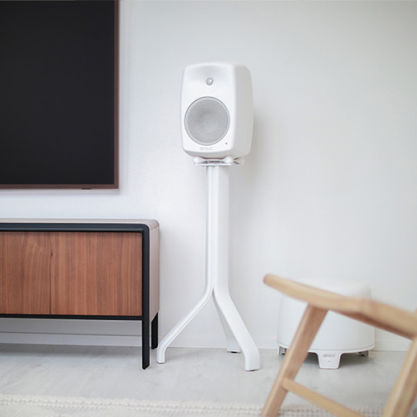
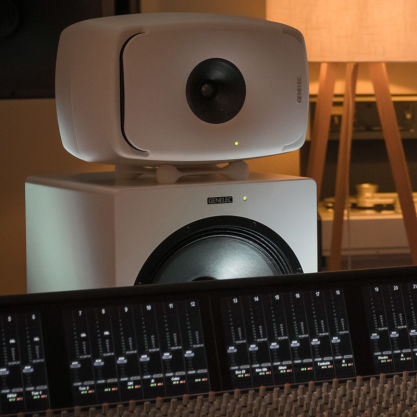
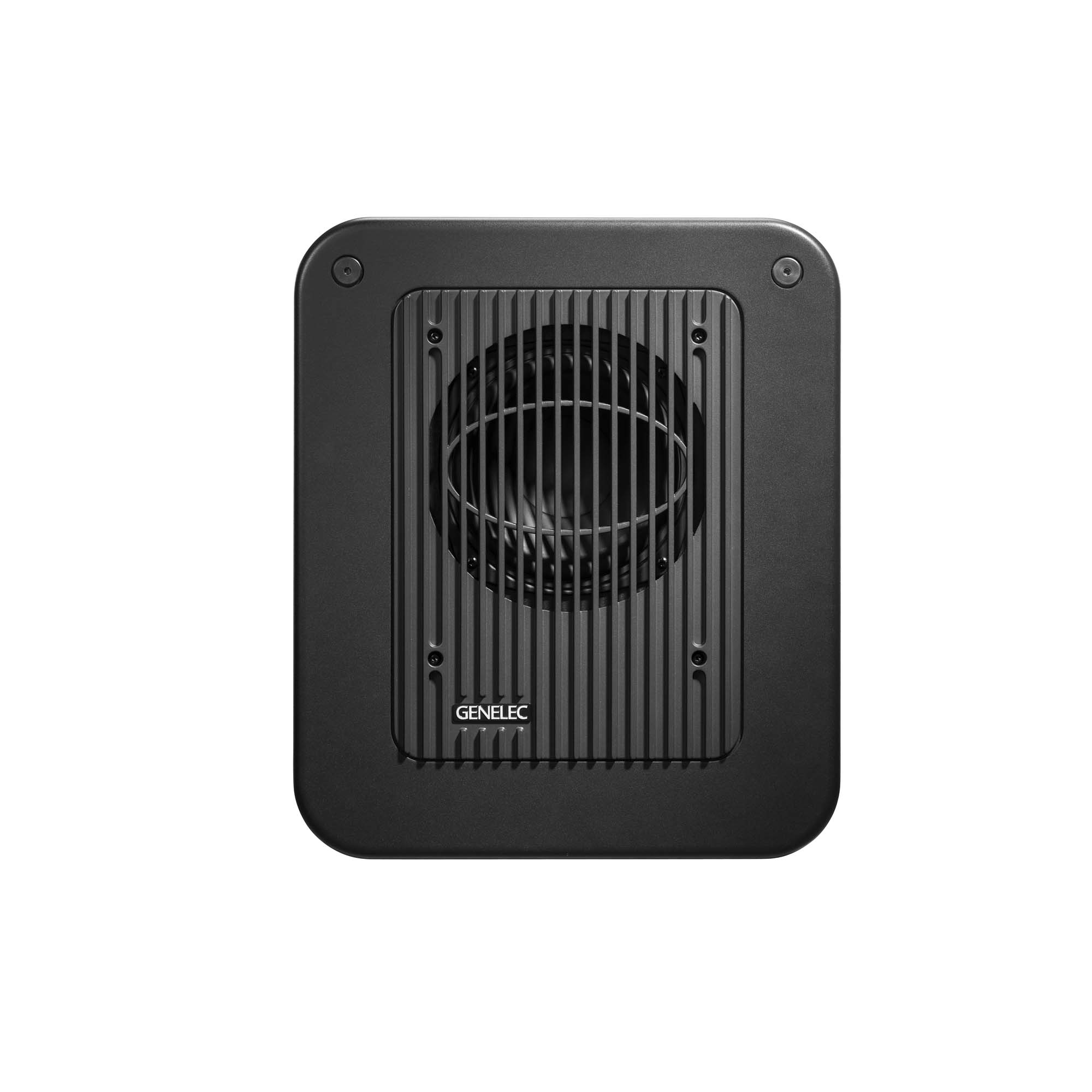
Our most compact professional subwoofer, the 7040A brings controlled low-end accuracy to the tightest of production spaces.
7040A
Studio Subwoofer

Active Crossovers

Bass Management System

SPL
100 dB

Frequency Response
30 Hz - 90 Hz (-6 dB)

Dimensions
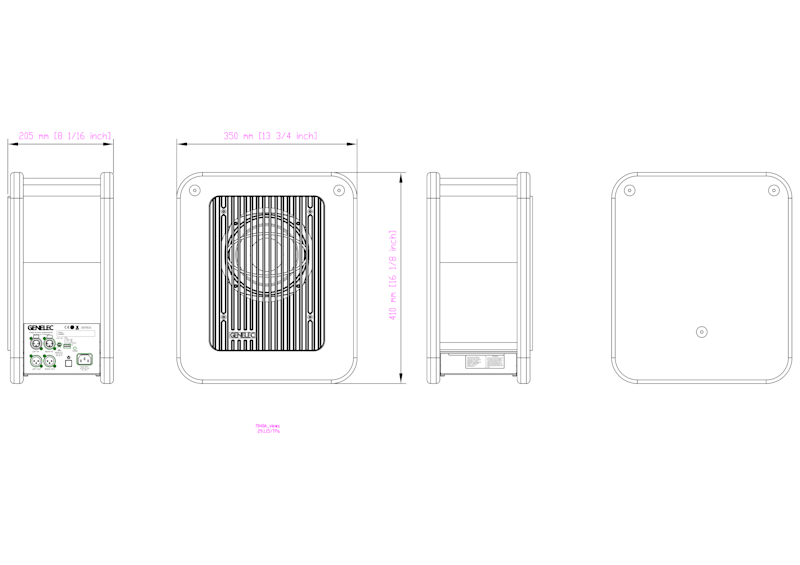
H 410 x W 350 x D 205 mm, (view in inches)
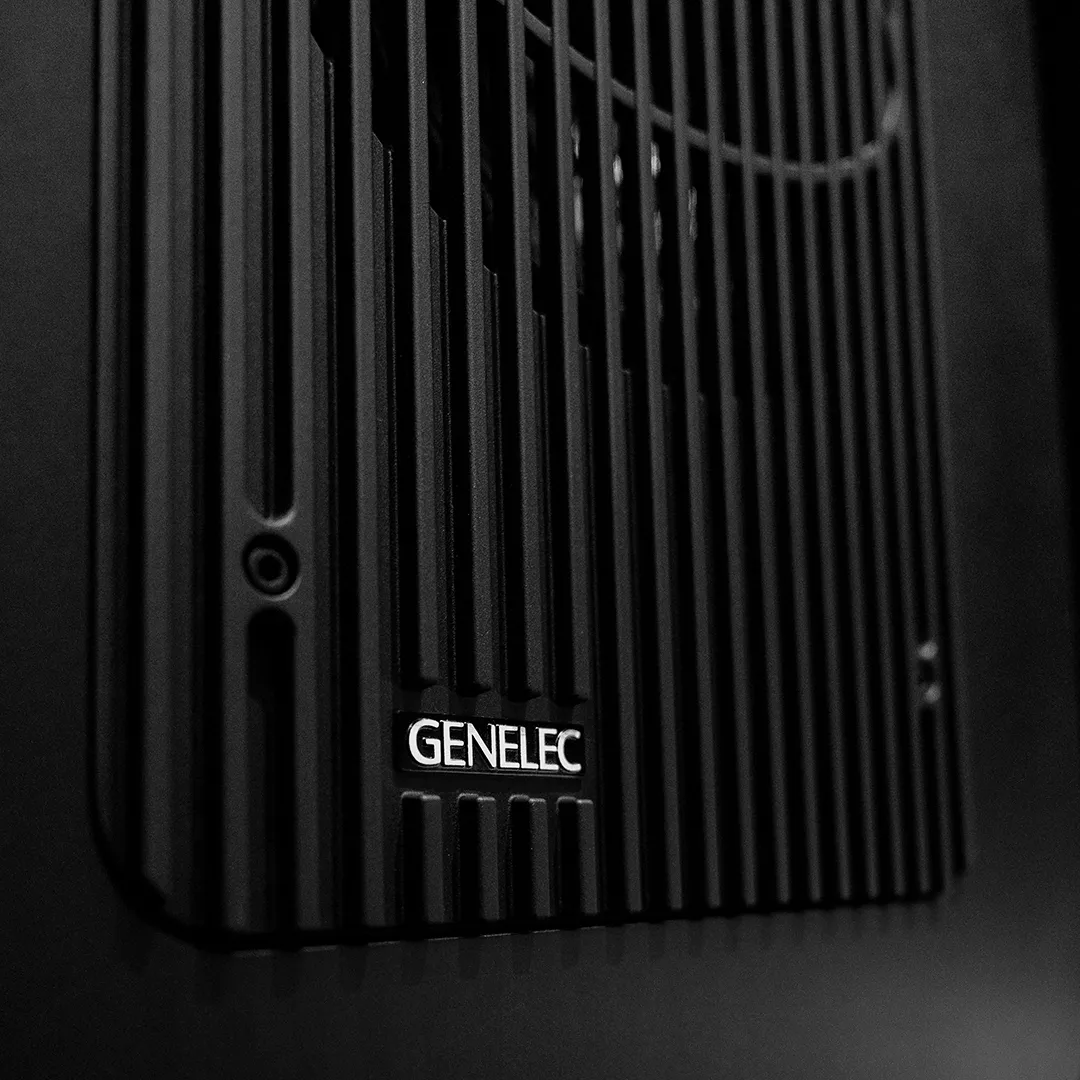
Not just ‘more bass’
A great subwoofer is about so much more than just delivering ‘more bass’. The laminar spiral design of the 7040A ensures that it can deliver high SPL performance that is precise, articulate and free from distortion, right down to 30 Hz. So when partnered with our 8010 or 8020 nearfield monitors, the 7040A creates a full-range system that is completely seamless. It just sounds ‘right’.

Superior management skills
Onboard bass management technology enables the 7040A to filter LF information from the main channels and take responsibility for handling it – thus increasing the headroom and reducing the distortion of the main monitors, which can then focus their energies on the rest of the frequency spectrum. Additionally, room compensation controls allow you to optimise the 7040A for your room environment in exactly the same way as our monitors, so you can still be confident of producing mixes that translate perfectly.
Genelec
7040A Studio Subwoofer
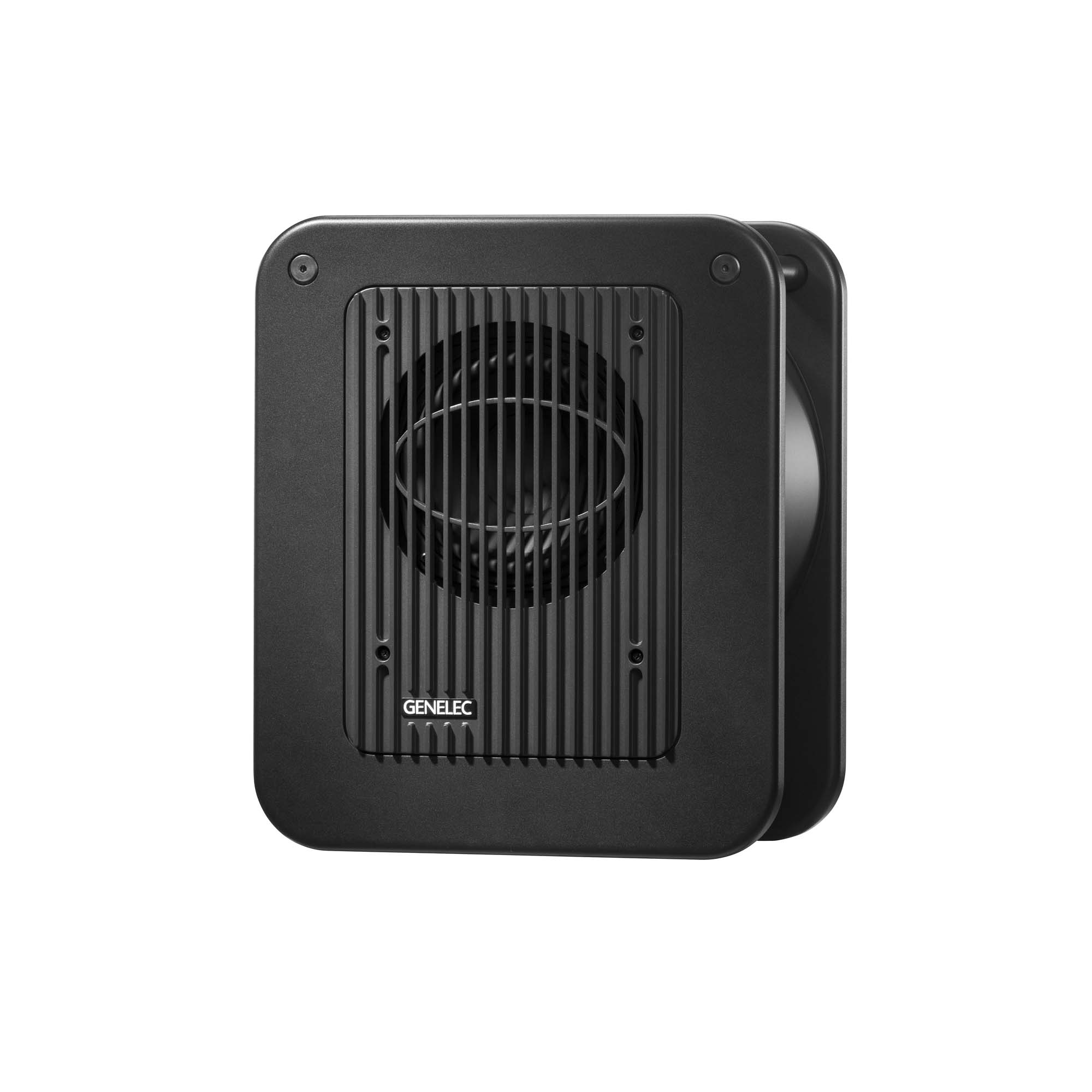
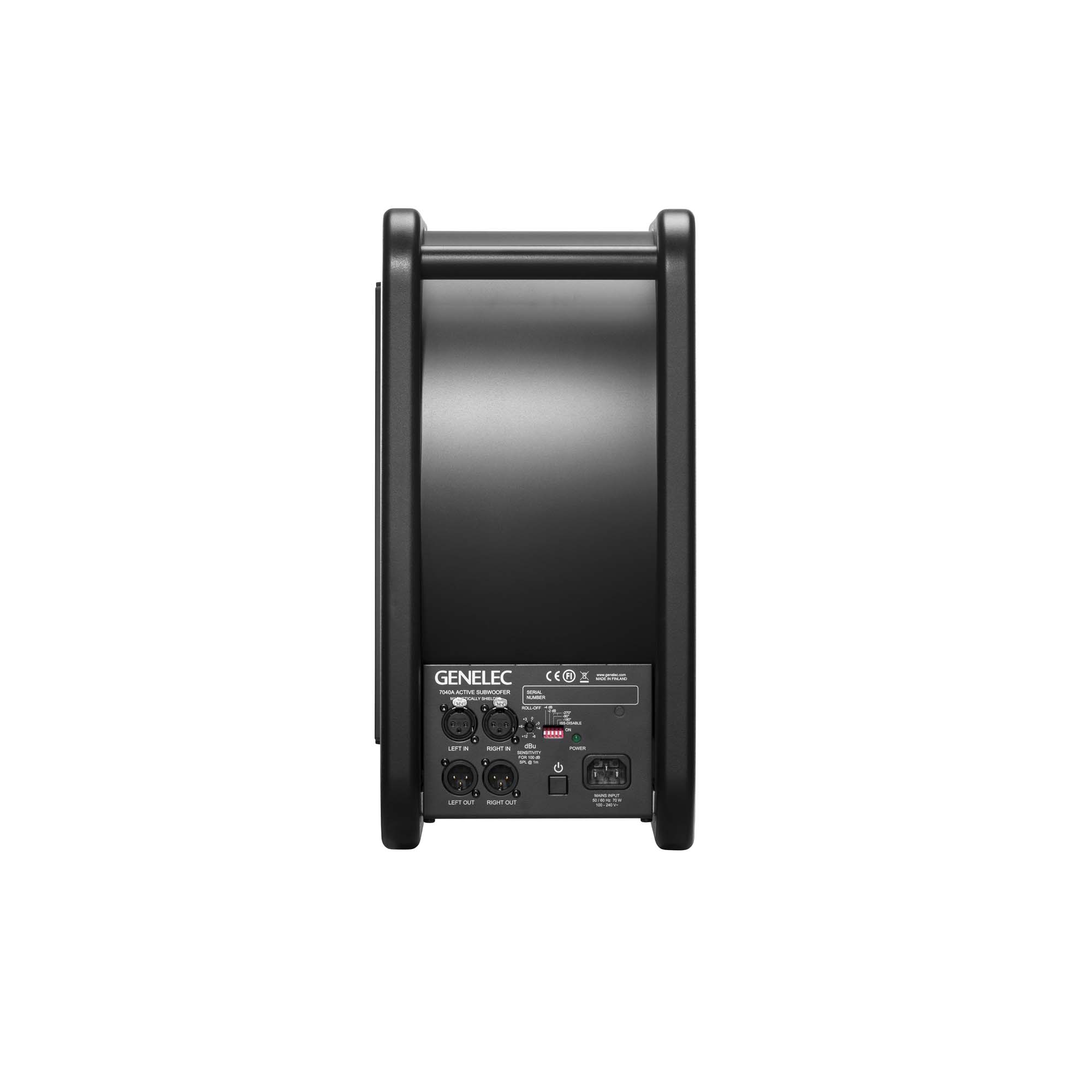
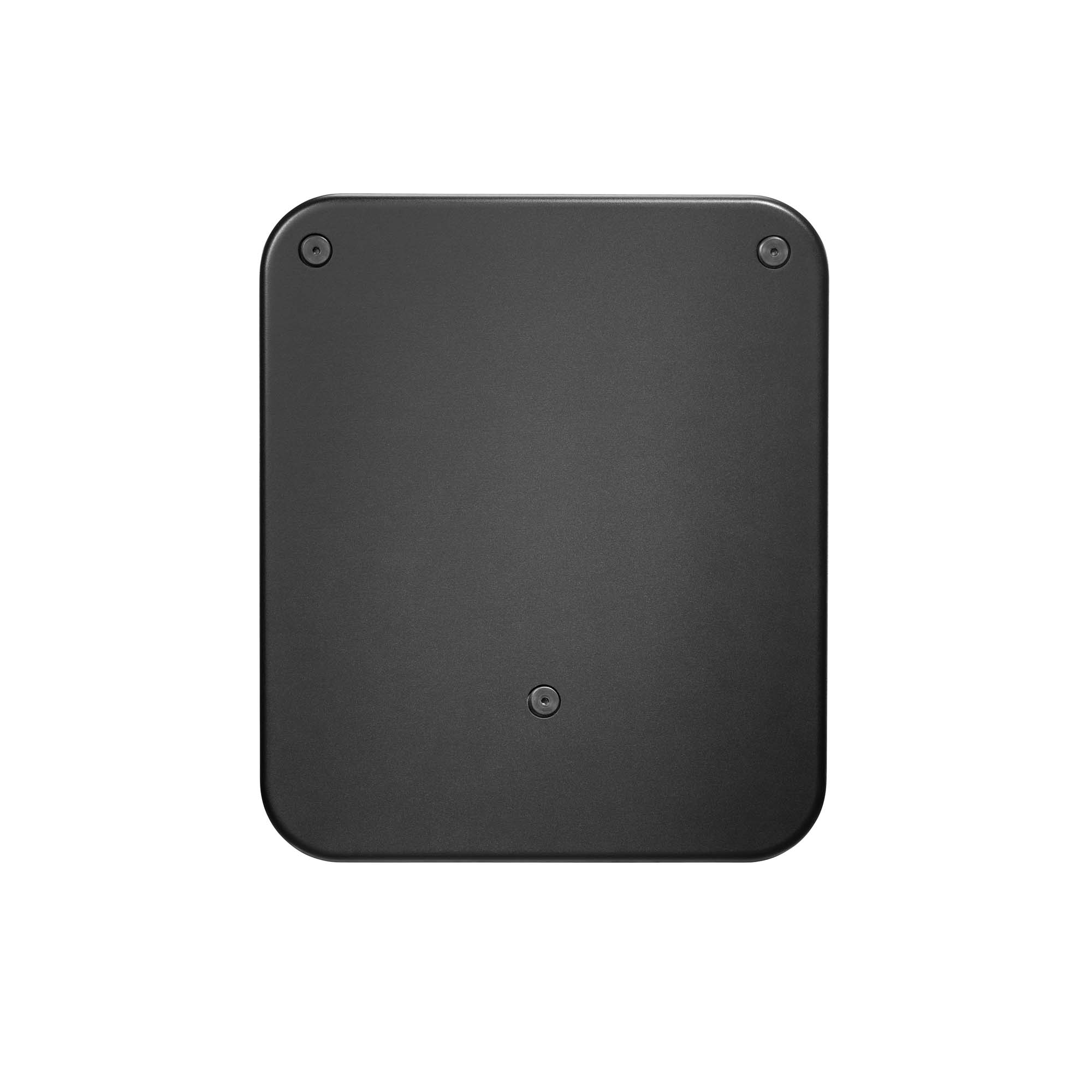
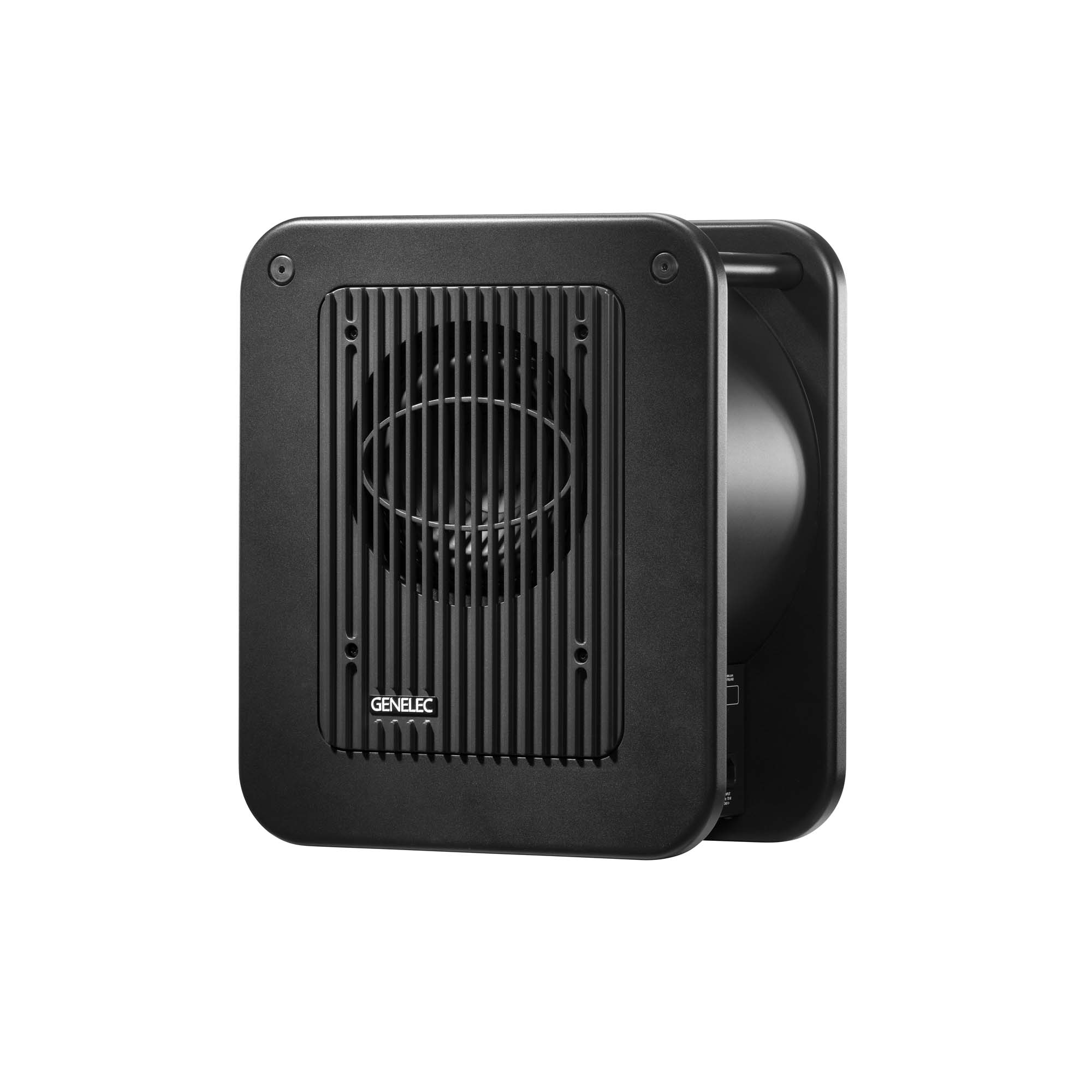
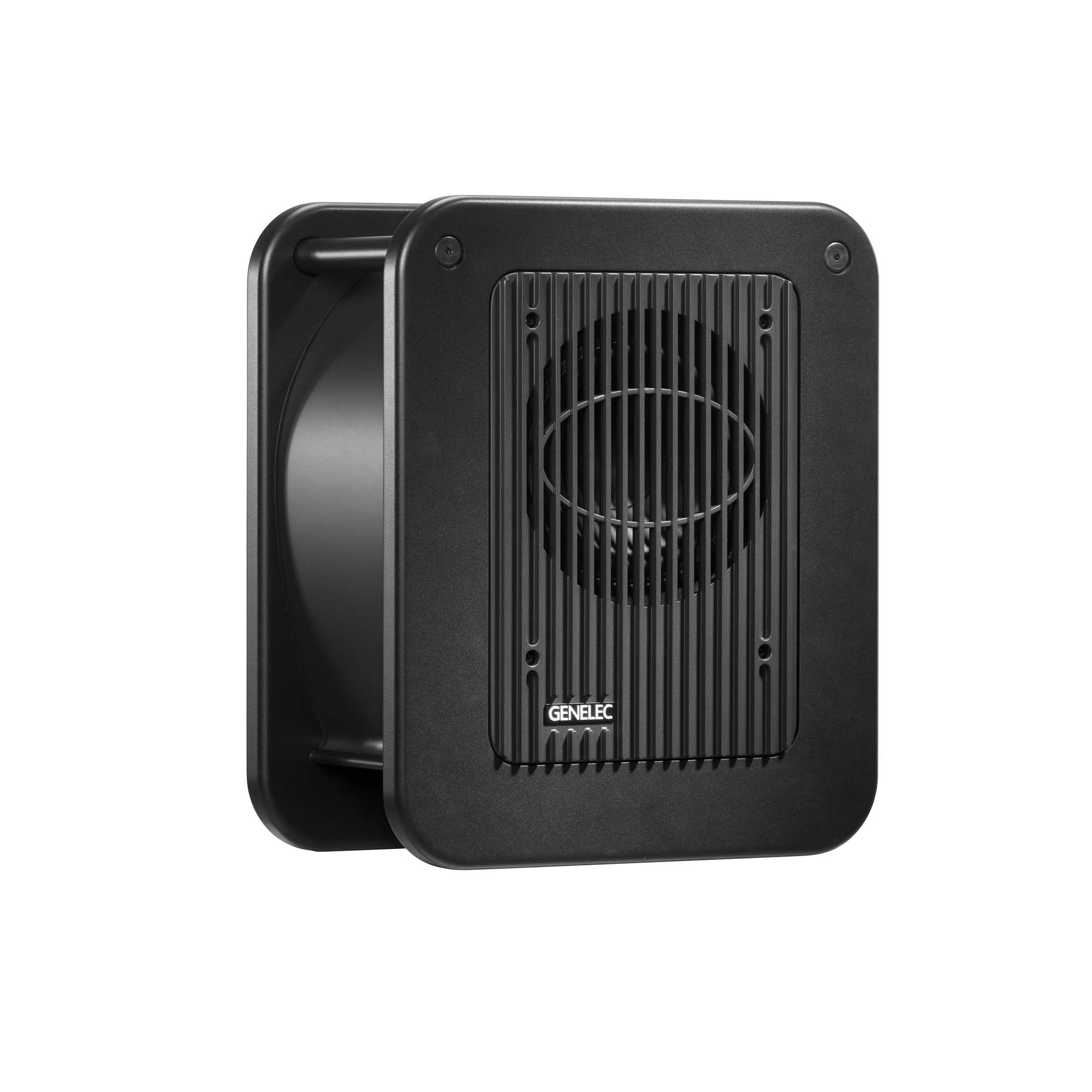
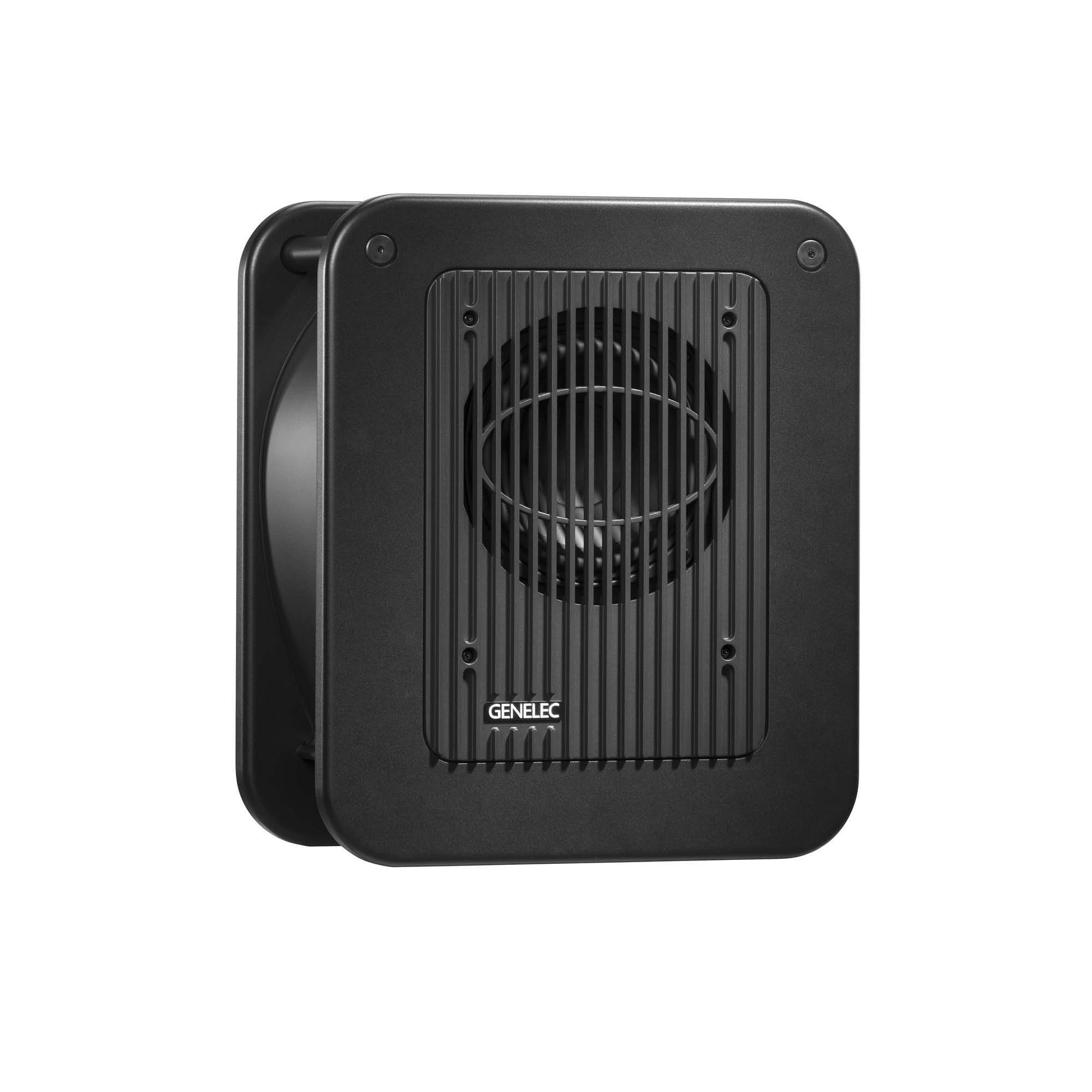

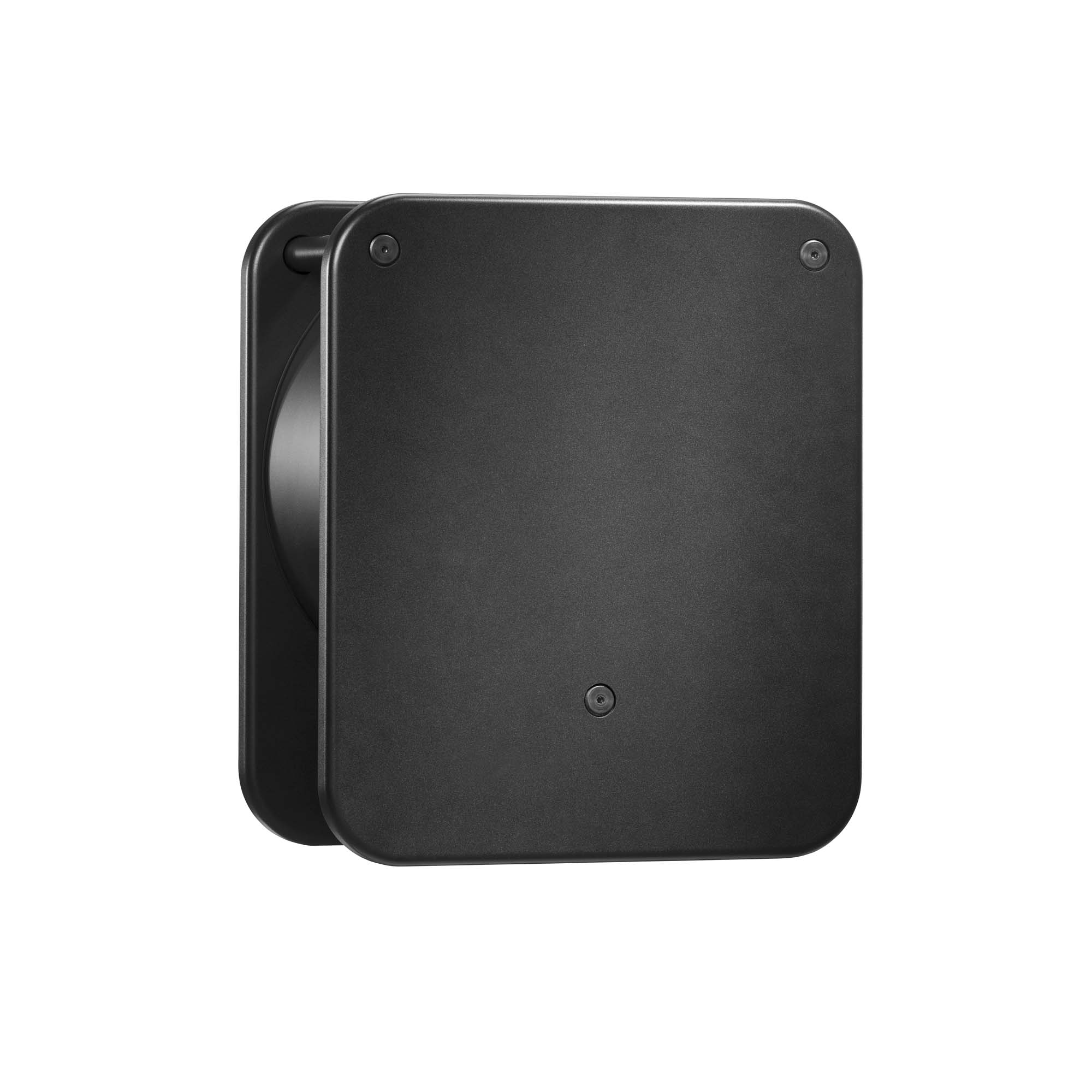
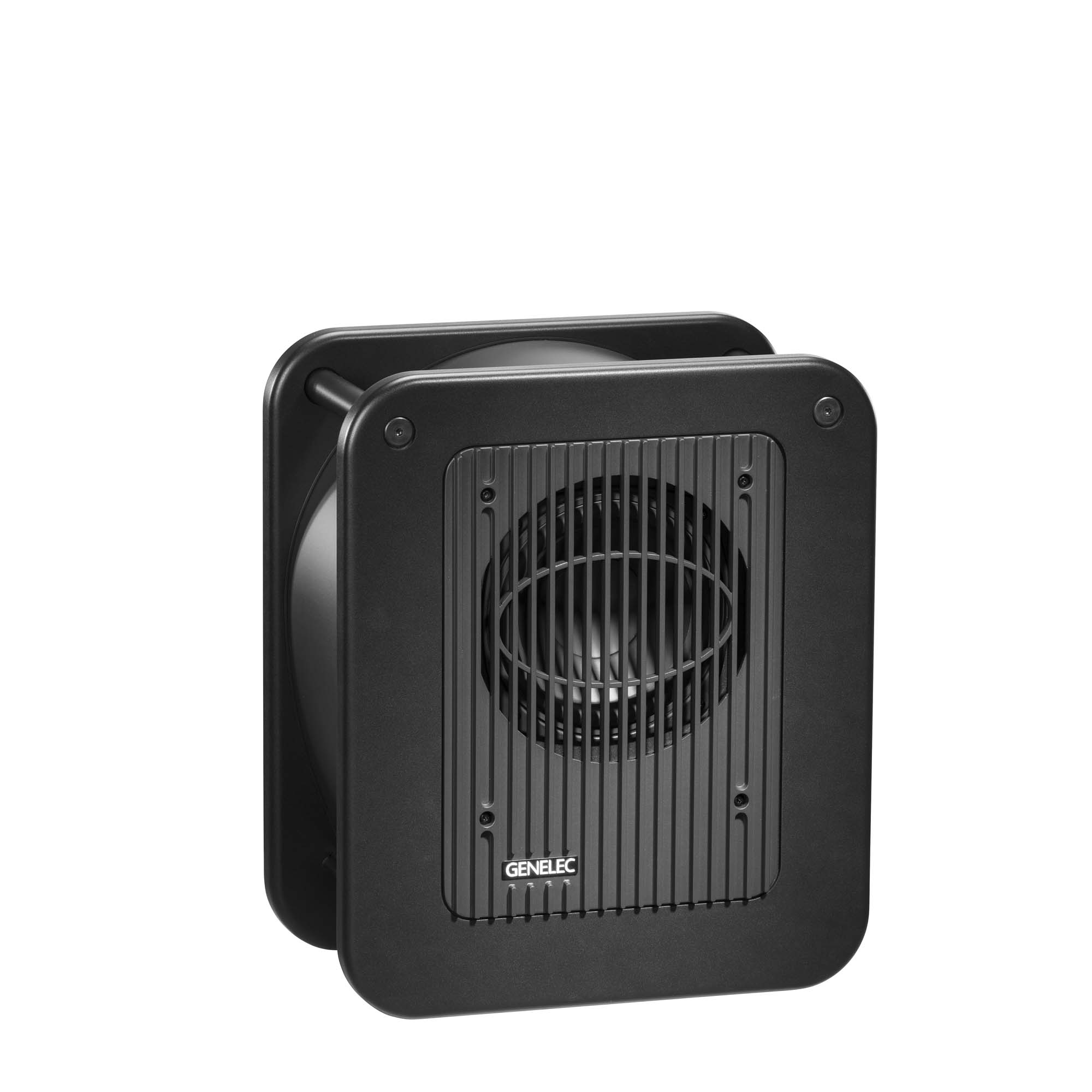
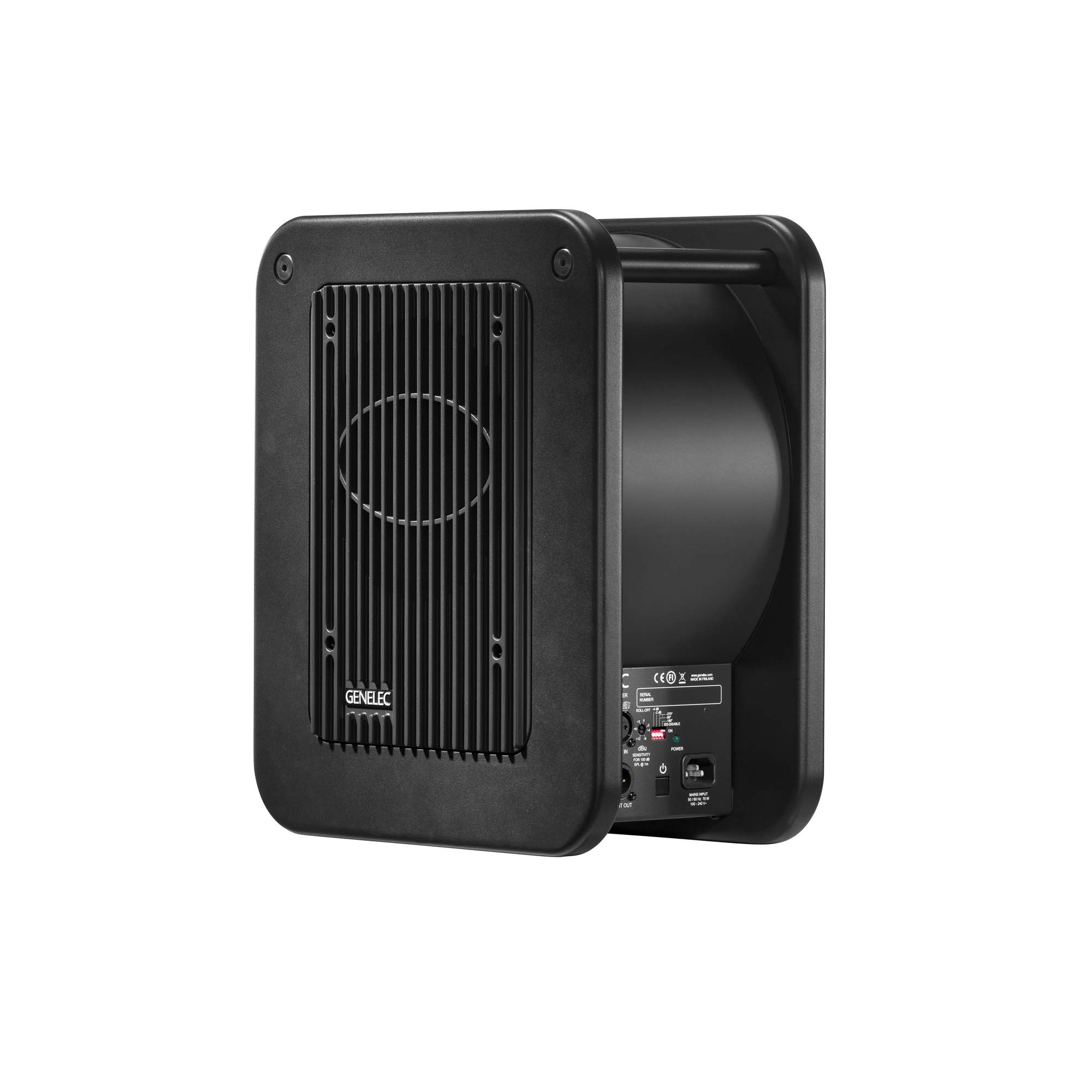
Color options:
Genelec
7040A Studio Subwoofer
7040A
Awards
SPL
100 dB

Amplifier Power
50 W Bass (Class D)
Frequency Response
30 Hz - 90 Hz ("-6 dB")

Accuracy of Frequency Response
± 3 dB (33 Hz - 85 Hz)

Driver Dimensions
⌀ 165 mm Bass (view in inches)
Dimensions
H 410 x W 350 x D 205 mm, (view in inches)

Weight
11.3 kg / 24.9 lb

Connections
2 x XLR Analog Input
2 x XLR Analog Output
7040A Studio Subwoofer
Studio Subwoofer
Technical Specifications
Our most compact professional subwoofer, the 7040A brings controlled low-end accuracy to the tightest of production spaces.


System Specifications
Frequency Response
33 Hz - 85 Hz (± 3 dB)
Low cutoff -6dB
30 Hz
High cutoff -6dB
90 Hz

SPL
Short term max SPL Maximum short term sine wave SPL output averaged from 40 to 85 Hz, measured in half space at 1 meter.
≥100 dB
Self-generated noise
Self-generated noise Self generated noise level in half space at 1 m (A-weighted).
≤5 dB SPL
Weight
Weight11.3 kg (24.9 lb)
Dimensions
Height
410 mm
Width
350 mm
Depth
205 mm
Enclosure
Enclosure material
MDF
Enclosure type
Reflex port
Drivers
Bass
Driver type
Cone
Diameter
165 mm
Harmonic distortion
Harmonic distortion at 90 dB SPL at 1 m on axis in half space 40…85 Hz, 2nd ≤2.5 %
Amplifier Section
Amplifiers
7040A bass amplifier
50 W Class D
A high-efficiency, low-distortion 50W Class D amplifier with integrated driver protection circuitry.
Mains voltage
100-240 VAC 50/60Hz
Power consumption
ISS Active
≤0.5 W
Idle
≤5 W
Full output
70 W
Signal processing section
Connectors
2 x Input Analog signal input connector XLR female, balanced 10 kOhm.
2 x Output XLR male.
Product Variants
Product codes
Code
Product information
EAN code
CN code
7040AP
7040A Studio Subwoofer
For even more technical details please see product operating manual.
Key Technologies

Active Crossovers

Bass Management System

Intelligent Signal Sensing (ISS™) Technology

Laminar Spiral Enclosure (LSE™) Technology

Optimised Amplifiers

Protection Circuitry

Room Response Compensation
Active crossover operating at low signal levels.

Audio electronic crossovers allow the audio signal to be split into separate frequency bands that are separately routed to individual power amplifiers, which are then connected to specific transducers optimised for a particular frequency band.
Active crossovers come in both digital and analogue varieties. Genelec digital active crossovers include additional signal processing, such as driver protection, delay, and equalisation.
Genelec analogue active crossover filters contain electronic components that are operated at low signal levels suitable for power amplifier inputs. This is in contrast to passive crossovers that operate at the high signal levels of the power amplifier's outputs, having to handle high currents and, in some cases, high voltages.
In a typical two-way system the active crossover needs two power amplifiers — one for the woofer and one for the tweeter.
The active crossover design offers multiple benefits:
- The frequency response becomes independent of any dynamic changes in the driver's electrical characteristics or the drive level.
- There is increased flexibility and precision for adjusting and fine-tuning each output frequency response for the specific drivers used.
- Each driver has its own signal processing and power amplifier. This isolates each driver from the drive signals handled by the other drivers, reducing inter-modulation distortion and overdriving problems.
- The ability to compensate for sensitivity variations between drivers.
- The possibility to compensate for frequency and phase response anomalies associated with a driver’s characteristics within the intended pass-band.
- The flat frequency response of a high-quality active loudspeaker is a result of the combined effect of the crossover filter response, power amplifier responses and driver responses in a loudspeaker enclosure.
Using the active approach enables frequency response adjustments and optimisation of the full loudspeaker system, placed in various room environments, without expensive external equalisers. The end result is a simpler, more reliable, efficient, consistent and precise active loudspeaker system.
Bass Management System handles multichannel low frequency content.
The principle of bass management is that the bass content of the main channels and the Low Frequency Effect (LFE) channel are directed and reproduced only by loudspeakers capable of handling them, whether they are main system loudspeakers or one or more subwoofer(s).
In stereo reproduction, signals from 20 Hz to 20 kHz need to be replayed. Large multi-way monitoring systems will reproduce such a wide bandwidth evenly. With multichannel audio, professional and consumer audio systems must also be able to reproduce audio between 20 Hz and 20 kHz for each channel. To achieve this, main monitors, subwoofers and crossover electronics should work together.
A Bass Management system uses either analogue electronic circuitry or software based filtering which will filter low frequency information from the main channels and route that information to one, or more, subwoofer feed.
The dedicated LFE channel can also be monitored via that subwoofer and added to the low frequencies of the other main channels. Therefore, the Bass Management’s basic and main goal is to ensure that the entire audio bandwidth of all channels can be accurately monitored.

The benefits of the Bass Management System:
- The subwoofer extends the system frequency response down the lower limit of the audible range
- Monitor can produce a higher maximum sound level when not reproducing low frequencies
- Optimized low frequency reproduction by selecting adequate subwoofer location; monitors can also be placed more freely
- Subwoofer’s output are aligned in level and phase with monitors allowing flat and accurate reproduction down to 19 Hz and across the crossover point
- LFE channel output level (0 or +10 dB re. main channels) can be selected for accurate reproduction depending on the source type
- The ability to bypass the subwoofer allows to evaluate the audible impact of the subwoofer
Intelligent Signal Sensing (ISS™) for power consumption reduction in stand-by mode.

Introduced early 2013, Genelec’s Intelligent Signal-Sensing technology has been developed to meet with both European Union ErP Directives and Genelec's own ambitious sustainability standards.
The Intelligent Signal Sensing, ISS™ circuitry tracks the signal input of the loudspeaker and detects if it is in use. If the ISS circuit does not find any audio on the input for a period of time, it sets the loudspeaker to a low-power sleep state and the loudspeaker will consume less than 0.5 watts. When an input signal is detected, the loudspeaker immediately turns itself on.
Additionally an ‘ISS Disable’ switch is located on each product’s back plate next to the other room response controls. First, when the mains power switch of the loudspeaker is set to 'ON', the ISS™ auto-start function (low-power sleep state on/off) of the loudspeaker is active.
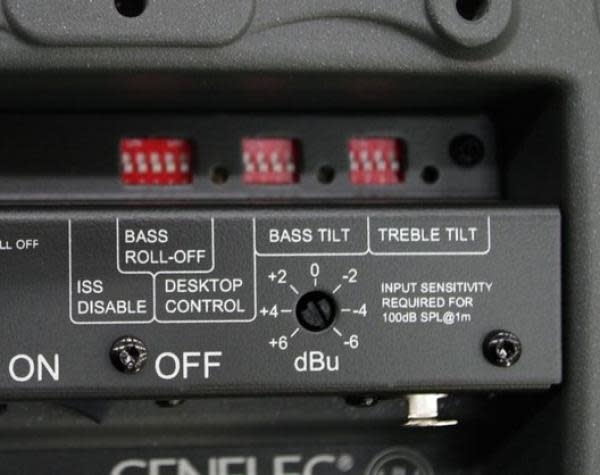
If this function is not desired, the ISS™ function can be disabled by setting the 'ISS Disable' switch on the back panel to 'ON' position. In this mode, the monitor is only powered on and off using the mains power switch.
Note that the mains power switch will always turn the monitor off completely.
Highly efficient Laminar Spiral Enclosure (LSE™) provides accurate low frequency reproduction.

The demands placed on subwoofers over the last years have increased substantially to the point where traditional design concepts are no longer valid. For Genelec, in order to achieve the absolute best performance possible, bold initiatives must be taken.
Drawing on years of acoustic research and knowledge, Genelec's engineering group accepted the challenges placed upon them in the beginning of the 21st Century. The totally unique, curvilinear shape of the LSE™ Series Active Subwoofer enclosure is the revolutionary patented result of their efforts.
All of the Genelec LSE™ series subwoofers feature this innovative Laminar Spiral Enclosure™ (LSE™) bass reflex cabinet. It provides excellent laminar flow characteristics with minimal turbulence noise and enables an optimal packing of a very long reflex tube into a small space.

The learnings from the LSE Technology are also utilized in the reflex port design of our aluminium enclosure products.
The spiral-shaped design yields an extremely rigid enclosure exterior while also forming the subwoofer's integral port. The fact that one is part of the other means that air flow in and out of the enclosure's interior through the port is totally unrestricted. This results in an extraordinarily accurate and responsive low-frequency system with measured second and third harmonic distortion levels typically better than 30 dB below the fundamental.

When combined with Genelec stereo and multichannel bass management active electronics, the LSE™ Series Subwoofers provide a low-frequency listening experience like no other. The result is a product range with impeccable technical performance: The Genelec LSE subwoofer range is unique, complete, functional, different from any other products on the market, and consistent.
Each transducer is driven by its own optimised amplifier.

Audio electronic crossovers allow to split the audio signal into separate frequency bands that can be separately routed to individual power amplifiers, which are then connected to specific transducers optimised for a particular frequency band.
In a typical 2-way loudspeaker system, the active crossover needs two power amplifiers — one for the woofer and one for the tweeter. The power amplifiers are connected directly to the drivers of an active loudspeaker, resulting in the power amplifier’s load becoming much simpler and well known. Each driver-specific power amplifier has only a limited frequency range to amplify (the power amplifier is placed after the active crossover) and this adds to the ease of design.
The active design principle offers multiple benefits:
- The power amplifiers are directly connected to the speaker drivers, maximising the control exerted by the power amplifier’s damping on the driver’s voice coil, reducing the consequences of dynamic changes in the driver electrical characteristics. This may improve the transient response of the system.
- There is a reduction in the power amplifier output requirement. With no energy lost in the passive crossover filter components, the amplifier power output requirements are reduced considerably (by up to 1/2 in some cases) without any reduction in the acoustic power output of the loudspeaker system. This can reduce costs and increase audio quality and system reliability.
- No loss between amplifier and driver units results in maximum acoustic efficiency.
- Active technology can achieve superior sound output vs. size vs. low frequency cut-off performance.
- All loudspeakers are delivered as a factory aligned system (amplifiers, crossover electronics and enclosure-driver systems).
Sophisticated drive unit protection circuitry for safe operation.

When working in critical audio production environments it is essential that monitoring systems remain reliable and functional at all times. One of the main reasons behind Genelec’s excellent success in broadcasting environments is the reliability of our products and a key element behind the reliability is the internal protection circuitry found in all products since 1978.
The protection circuitry prevents driver failures by detecting signal levels, and in case of sudden peaks or constantly too high levels, taking the signal level down automatically. Of course this feature does not affect the sound quality in any way when working within the specifications of the loudspeaker, but only prevents inadequate input signals from breaking the loudspeaker.
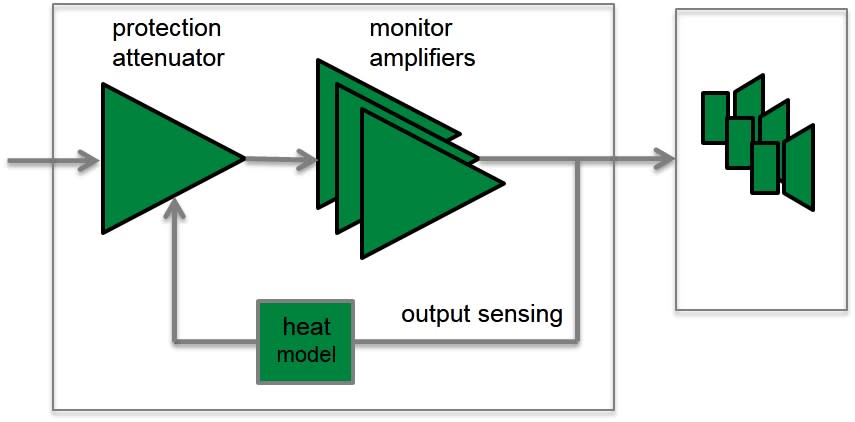
Protection circuitry features and benefits:
- Reduces the output level when required, (e.g. when driver voice coil temperature reaches the safe limit), which highly improves system reliability.
- Appropriate protection circuitry design in every loudspeaker and subwoofer enables the maximisation of system output sound level.
Precise room response compensation for optimizing in-room performance.

The interaction between room acoustic and loudspeaker radiation is complex. Each room changes somewhat the monitor’s response in a unique way, e.g. reflective vs. damped rooms, or placement against a wall vs. on a stand away from the walls.
All Genelec loudspeaker systems feature room response adjustments to compensate for the room influences and retrieve a flat frequency response at the listening position.
Analogue Systems
Genelec analogue loudspeaker systems provide versatile Room Response Controls. They include (depending on models):
- Bass Roll-Off and Bass Tilt
- Treble Tilt and Treble Roll-Off
- Bass Level
- Midrange Level
- Treble Level
- Desktop Control

At low frequencies two main controls are provided. The Bass Tilt control, which acts as a shelving filter together with the Bass Roll-off control allowing you to optimize the low and very low frequency response of the system in different installations. Bass, midrange and treble level controls are provided in large systems. These controls allow to optimize the relative balance between the various pass bands.
The operating manual and datasheet of each loudspeaker contains a list of preferred room response control settings for different installations. These have been specified out of long practical experience and measurements of various kind of typical acoustic environments.
Smart Active Monitor (SAM™) Systems
Genelec SAM Systems offer a comprehensive, solution-oriented, intelligently networked product range which all feature Genelec Loudspeaker Manager (GLM™) software and its automatic calibration system called AutoCal™.
Genelec AutoCal provides the industry’s first integrated process for complete automated measurement, analysis, and adjustment of every monitor on the GLM control network. The system measures the response in the listening area and applies relevant compensation in the low and low-mid frequencies to minimise the detrimental room acoustic anomalies as well as the differences between various listening positions. AutoCal also aligns relative levels, time-of-flight, as well as adjusts correct crossover phase (called AutoPhase) for all subwoofers on the network.

The Acoustic Response Editor provides accurate graphical display of the measured response, filter compensation and the resulting system response for each monitor, with full manual control of acoustic settings.
Related products


References


Bonedo Magazin (online): 7040A Review, August 2015 (DE)
"Genelec wirft mit dem 7040A einen für Genelec-Verhältnisse sehr kompakten Subwoofer auf den professionellen Markt, der mit innovativem Design als ideale Ergänzung für die kleineren Monitorsysteme 8010, 8020 und M030 dienen soll."
-Felix Klostermann, the author of the review article
{"fi-FI":"7040A Subwoofer online review in German by Bonedo Magazin (DE). August 2015.\n\nRead the full review: [Bonedo Magazin 7040A Review](https://www.bonedo.de/artikel/einzelansicht/genelec-7040a-test.html "Bonedo Magazin 7040A Review")","ru-RU":"7040A Subwoofer online review in German by Bonedo Magazin (DE). August 2015.\n\nRead the full review: [Bonedo Magazin 7040A Review](https://www.bonedo.de/artikel/einzelansicht/genelec-7040a-test.html "Bonedo Magazin 7040A Review")","de-DE":"7040A Subwoofer online review in German by Bonedo Magazin (DE). August 2015.\n\nRead the full review: [Bonedo Magazin 7040A Review](https://www.bonedo.de/artikel/einzelansicht/genelec-7040a-test.html "Bonedo Magazin 7040A Review")","en-US":"7040A Subwoofer online review in German by Bonedo Magazin (DE). August 2015.\n\nRead the full review: [Bonedo Magazin 7040A Review](https://www.bonedo.de/artikel/einzelansicht/genelec-7040a-test.html "Bonedo Magazin 7040A Review")","sv-SE":"7040A Subwoofer online review in German by Bonedo Magazin (DE). August 2015.\n\nRead the full review: [Bonedo Magazin 7040A Review](https://www.bonedo.de/artikel/einzelansicht/genelec-7040a-test.html "Bonedo Magazin 7040A Review")","pt-BR":"7040A Subwoofer online review in German by Bonedo Magazin (DE). August 2015.\n\nRead the full review: [Bonedo Magazin 7040A Review](https://www.bonedo.de/artikel/einzelansicht/genelec-7040a-test.html "Bonedo Magazin 7040A Review")","es-ES":"7040A Subwoofer online review in German by Bonedo Magazin (DE). August 2015.\n\nRead the full review: [Bonedo Magazin 7040A Review](https://www.bonedo.de/artikel/einzelansicht/genelec-7040a-test.html "Bonedo Magazin 7040A Review")","fr-FR":"7040A Subwoofer online review in German by Bonedo Magazin (DE). August 2015.\n\nRead the full review: [Bonedo Magazin 7040A Review](https://www.bonedo.de/artikel/einzelansicht/genelec-7040a-test.html "Bonedo Magazin 7040A Review")","ja-JP":"7040A Subwoofer online review in German by Bonedo Magazin (DE). August 2015.\n\nRead the full review: [Bonedo Magazin 7040A Review](https://www.bonedo.de/artikel/einzelansicht/genelec-7040a-test.html "Bonedo Magazin 7040A Review")"}
 Filters

Documentation
Documents
Operating Manual 7040A Brochure 7040A - English 7040超紧凑低音音箱 - Chinese Bass Management User Guide Classic Active Monitoring Series Catalogue 2018 Genelec Home Studio Audio Monitoring Guide (2023) Genelec 7040A Operating Manual - Chinese Genelec Home Studio Audio Monitoring Guide (German version)FAQ
Yes, when an analogue signal source is used. The analogue signal first goes to the 7000A Series subwoofer and then onwards to the analogue inputs of the SAM™ monitors.
Damping Materials Used in Our Monitors
Genelec products use various damping materials such as glass fiber wool, linen fiber wool, and polyester fiber based material (PES). The tables presented below provide a detailed listing of our monitor models and the type of damping material used in each model.
During operation, the air moving in and out of the monitor loudspeaker or subwoofer bass reflex openings does not emit significant amounts of fiber particle dust. The PES wool as material does not emit dust. The linen wool, and glass fiber wool can emit minimum amounts of dust during very high sound level operation. This fiber dust is not hazardous to health.
Studio monitors
| SAM™ Studio Monitors | Damping material type |
|---|---|
| 1032C | PES |
| 8320A | PES |
| 8330A | PES |
| 8340A | PES |
| 8350A | PES |
| 8130A | PES |
| 8240A | PES |
| 8250A | PES |
| 8331A | PES |
| 8341A | PES |
| 8351A | PES |
| 8351B | PES |
| 8361A | PES |
| S360 | PES |
| 8260A | Linen wool |
| 1238CF | Linen wool |
| 1238DF | Linen wool |
| 1237A | Linen wool |
| 1238A | Glass wool |
| 1238AC | Glass wool |
| 1234A | Glass wool |
| 1234AC | Glass wool |
| 1236A | Glass wool |
| SAM™ Studio Subwoofers | Damping material type |
|---|---|
| 7260A | Linen wool |
| SE7261A | Linen wool |
| 7270A | Linen wool |
| 7271A | Linen wool |
| 7350A | Linen wool |
| 7360A | Linen wool |
| 7370A | Linen wool |
| 7380A | Linen wool |
| 7382A | Linen wool |
| 8000 Series Studio Monitors | Damping material type |
|---|---|
| 8010A | PES |
| 8020D | PES |
| 8030B | PES |
| 8030C | PES |
| 8040B | PES |
| 8050B | PES |
| 1000 Series Studio Monitors | Damping material type |
|---|---|
| 1032B | Linen wool |
| 1037C | Linen wool |
| 1038CF | Glass wool |
| 1038B | Glass wool |
| 1038BC | Glass wool |
| 1034B | Glass wool |
| 1034BC | Glass wool |
| 1039A | Glass wool |
| 1035B | Glass wool |
| 1036A | Glass wool |
| M Series Studio Monitors | Damping material type |
|---|---|
| M030 | PES |
| M040 | PES |
| 7000 Series Studio Subwoofers | Damping material type |
|---|---|
| 7040A | Linen wool |
| 7050B | None |
| 7050C | Linen wool |
| 7060B | Linen wool |
| 7070A | Linen wool |
| 7071A | Linen wool |
| 7073A | Glass wool |
Home Speakers
| G Series Active Speakers | Damping material type |
|---|---|
| G One | PES |
| G Two | PES |
| G Three | PES |
| G Four | PES |
| G Five | PES |
| F Series Active Subwoofers | Damping material type |
|---|---|
| F One | None |
| F Two | PES |
| Home Theater Speaker Series | Damping material type |
|---|---|
| HT210B | Linen wool |
| HT312B | Glass wool |
| HT315B | Glass wool |
| HT320BC | Glass wool |
| HT324A | Glass wool |
| HT324AC | Glass wool |
| HT330A | Glass wool |
| Home Theater Subwoofer Series | Damping material type |
|---|---|
| HTS3B | None |
| HTS4B | None |
| HTS6 | Glass wool |
Installation Speakers
| 4000 Series Installation Speakers | Damping material type |
|---|---|
| 4010A | PES |
| 4020B | PES |
| 4020C | PES |
| 4030B | PES |
| 4030C | PES |
| 4040A | PES |
| Architectural Speaker Series | Damping material type |
|---|---|
| AIC25 | PES |
| AIW25 | PES |
| AIW26 | Linen Wool |
| AIW26B | Linen Wool |
| AOW312 | Glass wool |
| 5041A | Linen Wool |
Trials and Measurements
The best location for a subwoofer can be determined by trial and measurements using the appropriate acoustical measuring tools. When measuring a subwoofer system you are looking for a smooth extension of the frequency response from the main monitor low frequency cut-off (85 Hz when using the internal subwoofer bass management crossover) down to the subwoofer low frequency cut-off point.
Placing the subwoofer slightly offset from the centre of the front wall
The subwoofer is typically placed slightly offset from the centre of the front wall. This gives the following benefits:
- Increased acoustical loading from the front wall and floor improves the sound output in the subwoofer
- No acoustic cancellations because of the front wall and the floor
- Typically a relatively flat low frequency response in the subwoofer
If the sound is still not completely right...
If the sound is still not quite right, then try the following:
- Move the subwoofer slightly further away from the room’s centre line. This modifies the way the subwoofer interacts with the room.
- Add a second subwoofer, located at some distance from the first subwoofer.
- If there are two subwoofers, try moving them to the front corners or to the side walls, as this sometimes helps with problematic rear wall reflections.
Some additional things to consider
- Subwoofers can be flush-mounted; the cabinet takes up less space in the room. No changes in the low frequency radiation load will occur.
- Subwoofer driver can face the wall. A subwoofer can be placed with its side along the wall. Make sure there is enough space at the reflex port opening (at least 50 mm). Subwoofers are not directional.
- Do not place the subwoofer front baffle (driver) more than 0.60 meters from the nearest wall. This avoids acoustic cancellations in the subwoofer output.
- Place the subwoofer first at the listening position. Move the measuring microphone to different possible subwoofer positions (typically along the walls) to see which position gives the flattest response. Then, move the subwoofer to this position. This is called using the__ reciprocity principle of acoustics__. It is easier to move a small microphone around than a heavy subwoofer!
Bonedo Magazin (online): 7040A Review, August 2015 (DE)
"Genelec wirft mit dem 7040A einen für Genelec-Verhältnisse sehr kompakten Subwoofer auf den professionellen Markt, der mit innovativem Design als ideale Ergänzung für die kleineren Monitorsysteme 8010, 8020 und M030 dienen soll."
-Felix Klostermann, the author of the review article
7040A Subwoofer online review in German by Bonedo Magazin (DE). August 2015.
Read the full review: Bonedo Magazin 7040A Review
FAQ
Yes, when an analogue signal source is used. The analogue signal first goes to the 7000A Series subwoofer and then onwards to the analogue inputs of the SAM™ monitors.
Damping Materials Used in Our Monitors
Genelec products use various damping materials such as glass fiber wool, linen fiber wool, and polyester fiber based material (PES). The tables presented below provide a detailed listing of our monitor models and the type of damping material used in each model.
During operation, the air moving in and out of the monitor loudspeaker or subwoofer bass reflex openings does not emit significant amounts of fiber particle dust. The PES wool as material does not emit dust. The linen wool, and glass fiber wool can emit minimum amounts of dust during very high sound level operation. This fiber dust is not hazardous to health.
Studio monitors
| SAM™ Studio Monitors | Damping material type |
|---|---|
| 1032C | PES |
| 8320A | PES |
| 8330A | PES |
| 8340A | PES |
| 8350A | PES |
| 8130A | PES |
| 8240A | PES |
| 8250A | PES |
| 8331A | PES |
| 8341A | PES |
| 8351A | PES |
| 8351B | PES |
| 8361A | PES |
| S360 | PES |
| 8260A | Linen wool |
| 1238CF | Linen wool |
| 1238DF | Linen wool |
| 1237A | Linen wool |
| 1238A | Glass wool |
| 1238AC | Glass wool |
| 1234A | Glass wool |
| 1234AC | Glass wool |
| 1236A | Glass wool |
| SAM™ Studio Subwoofers | Damping material type |
|---|---|
| 7260A | Linen wool |
| SE7261A | Linen wool |
| 7270A | Linen wool |
| 7271A | Linen wool |
| 7350A | Linen wool |
| 7360A | Linen wool |
| 7370A | Linen wool |
| 7380A | Linen wool |
| 7382A | Linen wool |
| 8000 Series Studio Monitors | Damping material type |
|---|---|
| 8010A | PES |
| 8020D | PES |
| 8030B | PES |
| 8030C | PES |
| 8040B | PES |
| 8050B | PES |
| 1000 Series Studio Monitors | Damping material type |
|---|---|
| 1032B | Linen wool |
| 1037C | Linen wool |
| 1038CF | Glass wool |
| 1038B | Glass wool |
| 1038BC | Glass wool |
| 1034B | Glass wool |
| 1034BC | Glass wool |
| 1039A | Glass wool |
| 1035B | Glass wool |
| 1036A | Glass wool |
| M Series Studio Monitors | Damping material type |
|---|---|
| M030 | PES |
| M040 | PES |
| 7000 Series Studio Subwoofers | Damping material type |
|---|---|
| 7040A | Linen wool |
| 7050B | None |
| 7050C | Linen wool |
| 7060B | Linen wool |
| 7070A | Linen wool |
| 7071A | Linen wool |
| 7073A | Glass wool |
Home Speakers
| G Series Active Speakers | Damping material type |
|---|---|
| G One | PES |
| G Two | PES |
| G Three | PES |
| G Four | PES |
| G Five | PES |
| F Series Active Subwoofers | Damping material type |
|---|---|
| F One | None |
| F Two | PES |
| Home Theater Speaker Series | Damping material type |
|---|---|
| HT210B | Linen wool |
| HT312B | Glass wool |
| HT315B | Glass wool |
| HT320BC | Glass wool |
| HT324A | Glass wool |
| HT324AC | Glass wool |
| HT330A | Glass wool |
| Home Theater Subwoofer Series | Damping material type |
|---|---|
| HTS3B | None |
| HTS4B | None |
| HTS6 | Glass wool |
Installation Speakers
| 4000 Series Installation Speakers | Damping material type |
|---|---|
| 4010A | PES |
| 4020B | PES |
| 4020C | PES |
| 4030B | PES |
| 4030C | PES |
| 4040A | PES |
| Architectural Speaker Series | Damping material type |
|---|---|
| AIC25 | PES |
| AIW25 | PES |
| AIW26 | Linen Wool |
| AIW26B | Linen Wool |
| AOW312 | Glass wool |
| 5041A | Linen Wool |
Trials and Measurements
The best location for a subwoofer can be determined by trial and measurements using the appropriate acoustical measuring tools. When measuring a subwoofer system you are looking for a smooth extension of the frequency response from the main monitor low frequency cut-off (85 Hz when using the internal subwoofer bass management crossover) down to the subwoofer low frequency cut-off point.
Placing the subwoofer slightly offset from the centre of the front wall
The subwoofer is typically placed slightly offset from the centre of the front wall. This gives the following benefits:
- Increased acoustical loading from the front wall and floor improves the sound output in the subwoofer
- No acoustic cancellations because of the front wall and the floor
- Typically a relatively flat low frequency response in the subwoofer
If the sound is still not completely right...
If the sound is still not quite right, then try the following:
- Move the subwoofer slightly further away from the room’s centre line. This modifies the way the subwoofer interacts with the room.
- Add a second subwoofer, located at some distance from the first subwoofer.
- If there are two subwoofers, try moving them to the front corners or to the side walls, as this sometimes helps with problematic rear wall reflections.
Some additional things to consider
- Subwoofers can be flush-mounted; the cabinet takes up less space in the room. No changes in the low frequency radiation load will occur.
- Subwoofer driver can face the wall. A subwoofer can be placed with its side along the wall. Make sure there is enough space at the reflex port opening (at least 50 mm). Subwoofers are not directional.
- Do not place the subwoofer front baffle (driver) more than 0.60 meters from the nearest wall. This avoids acoustic cancellations in the subwoofer output.
- Place the subwoofer first at the listening position. Move the measuring microphone to different possible subwoofer positions (typically along the walls) to see which position gives the flattest response. Then, move the subwoofer to this position. This is called using the__ reciprocity principle of acoustics__. It is easier to move a small microphone around than a heavy subwoofer!
Bass Management means that a subwoofer is used in the reproduction of the low frequencies in all the audio channels instead of the monitors. Bass Management enables easier installation of monitors in the listening room as the acoustical problems in the room can be managed more efficiently.