Climate action

Reducing emissions, improving energy efficiency and driving climate-conscious innovation.

At Genelec, climate action is not just a responsibility – it's a guiding principle in how we operate and evolve. We are committed to actively reducing our carbon footprint through concrete actions that span across design, manufacturing and logistics.
We began monitoring our greenhouse gas emissions in 2020 using the Greenhouse Gas Protocol, covering Scopes 1, 2, and 3. This gives us a picture of where emissions occur – from energy use at our factory to transportation of goods – and helps us prioritise the most impactful areas for improvement.
We began monitoring our greenhouse gas emissions in 2020 using the Greenhouse Gas Protocol, covering Scopes 1, 2, and 3. This gives us a picture of where emissions occur – from energy use at our factory to transportation of goods – and helps us prioritise the most impactful areas for improvement.
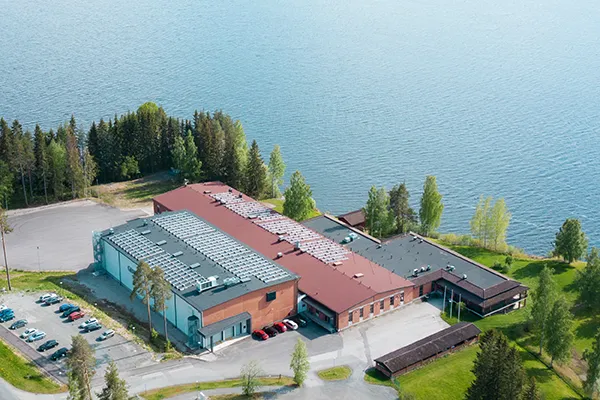
Our factory in Iisalmi, Finland, has been powered by 100% CO2-free and partly renewable electricity since 2015, and heated with biofuel since 2009. In 2019, we installed a 450-panel solar array, further strengthening our commitment to renewable energy. We also continue to invest in energy-efficient equipment and processes.
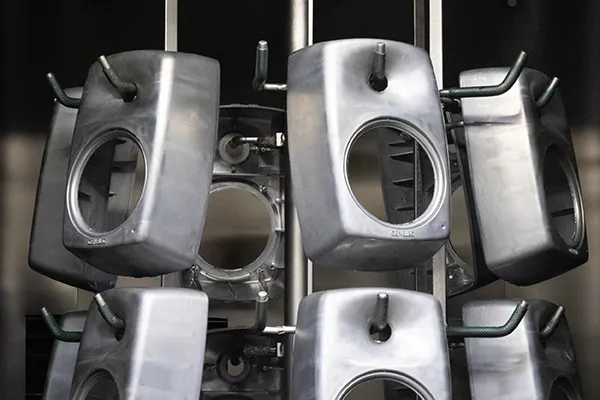
Our product development emphasises low energy consumption, and we support customers in lowering their own emissions by offering energy-efficient sound reproduction solutions that last for decades and require minimal replacement.
We understand that meaningful climate action requires collaboration – that's why we work with partners, suppliers and our global network to share knowledge, support innovation and promote more sustainable industry practices.
We understand that meaningful climate action requires collaboration – that's why we work with partners, suppliers and our global network to share knowledge, support innovation and promote more sustainable industry practices.

Key Commitments
- Continuous development of emission calculations as methods and data improve.
- Increased use of renewable energy where feasible.
- Development of energy‑efficient loudspeaker solutions and production processes.

Metrics & Goals
- Improved accuracy of Scope 1, Scope 2 and Scope 3 emission reporting.
- Development of supplier and logistics emission data to increase Scope 3 transparency.
- Monitoring of GHG emissions and preparation of reduction targets.
- Tracking of energy efficiency improvements at the production facility.
- Monitoring the expansion of renewable energy use, such as solar energy and biofuels.


